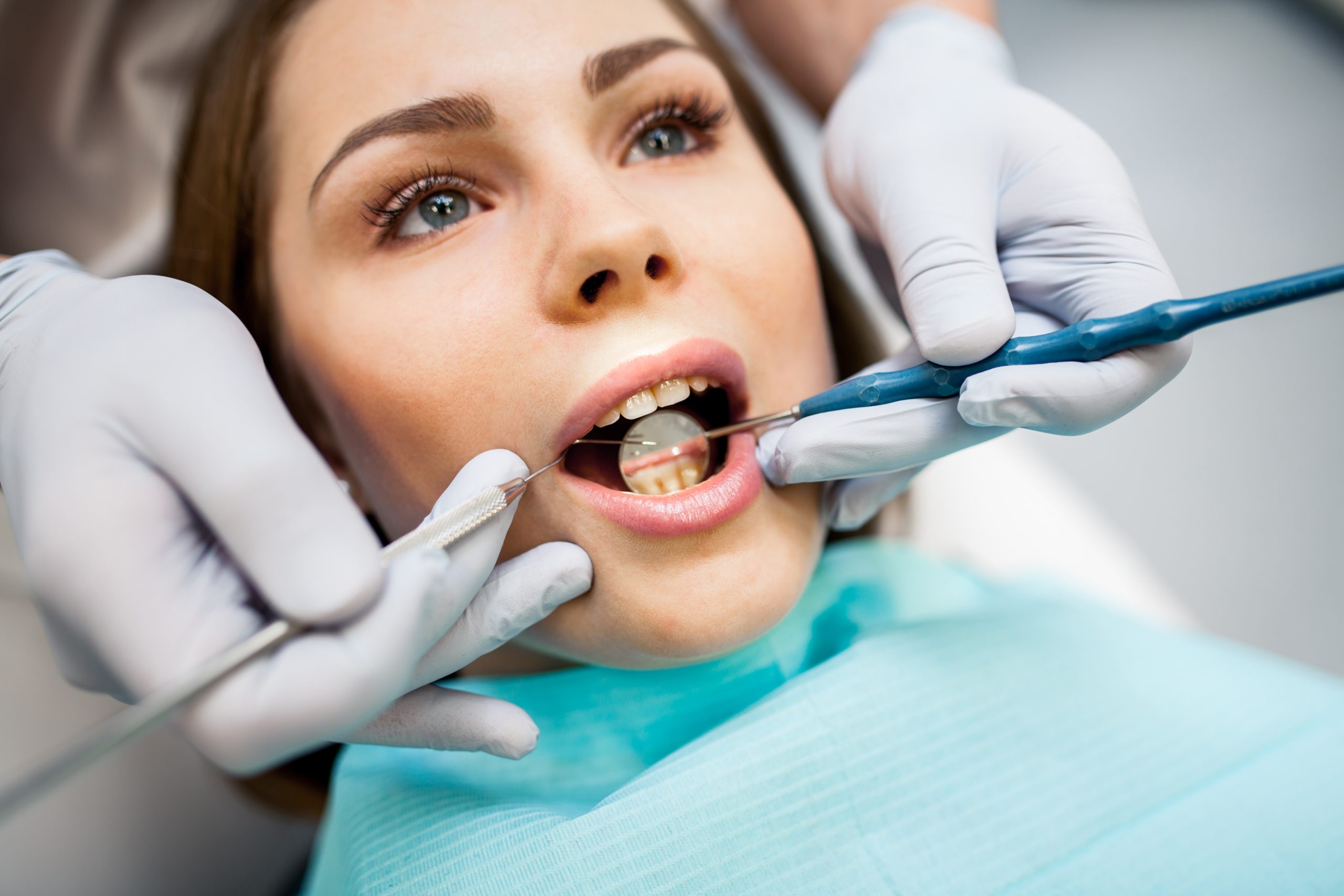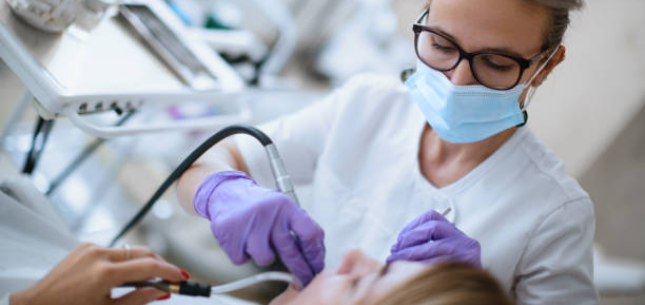
A general dentist can often remove wisdom teeth, but in some cases, care from an oral surgeon may be necessary. The right choice depends on the position of the teeth, the shape of their roots, and whether they are fully or partly trapped under the gums. A dentist can check your mouth and take X-rays to understand how difficult the removal may be. If you are considering wisdom tooth extractions in Winnipeg, knowing when to see a general dentist or an oral surgeon can help you understand your treatment options. Regular dental checkups can also help detect problems early, before they lead to pain or infection.
Why Do Wisdom Teeth Need to Be Removed?
Wisdom teeth are the last adult teeth to come through, usually during the late teens or early twenties. There may not be enough room for them to grow into the right position. When this happens, they can become impacted, meaning they remain partly or fully trapped under the gums or jawbone.
Removal may be recommended when wisdom teeth cause:
- Pain or swelling at the back of the mouth
- Repeated gum infections around a partly erupted tooth
- Tooth decay that cannot be treated easily
- Damage or pressure against a nearby tooth
- Cysts or other changes around an impacted tooth
Not every wisdom tooth needs removal. Healthy teeth that grow into the correct position and can be cleaned properly may be monitored instead.
Wisdom Teeth Dentist vs Oral Surgeon: Who Removes Wisdom Teeth?
Both general dentists and oral surgeons can remove wisdom teeth. The choice depends on the extraction’s difficulty and the provider’s training and experience.
A general dentist near you may manage an extraction when:
- The tooth has fully come through the gums.
- The tooth is easy to reach.
- The roots and tooth position appear straightforward.
- No complex surgical removal is expected.
An oral surgeon may be recommended when:
- The tooth is deeply impacted.
- It lies at an unusual angle or close to important nerves.
- The roots have a complex shape.
- The extraction may require more involved surgery.
- There are other medical or surgical concerns.
A dentist in Winnipeg that patients visit for routine care can begin the assessment and explain whether a referral is needed.
What Happens During a Wisdom Tooth Consult?
A wisdom tooth consult helps determine whether removal is necessary and who should perform it. The assessment may include:
- Reviewing symptoms, medical history, and current medications.
- Checking the gums and nearby teeth.
- Taking dental X-rays to understand the tooth’s position and roots.
- Discussing the risks, treatment options, and expected recovery.
An X-ray can help show whether a tooth is impacted and how close its roots are to nearby structures. In more complex cases, additional 3D imaging may be considered if it is likely to help with treatment planning.
When Is an Impacted Wisdom Teeth Referral Needed?
An impacted wisdom teeth referral may be recommended when the tooth is difficult to reach, or its position creates a higher risk of complications during removal.
For example, a lower wisdom tooth may be close to a nerve that helps you feel your lower lip and chin. The dentist checks this carefully before removing the tooth. Being sent to an oral surgeon does not mean something is wrong. It simply means the tooth may need care from someone with more training in dental surgery.
The final decision should be based on the examination, imaging, and individual health needs.
How Can Wisdom Tooth Problems Be Managed?
Good oral care may help reduce problems around wisdom teeth, but it cannot create more room for a tooth that is trapped under the gums.
Helpful habits include:
- Brush twice daily with fluoride toothpaste.
- Clean carefully around the back teeth.
- Floss between teeth every day.
- Attend regular dental checkups.
- Report pain, swelling, bad taste, or difficulty opening the mouth.
These steps may help keep the area clean, but they do not prevent every infection or remove the need for treatment when a tooth is causing problems.
What Should You Expect After Wisdom Teeth Extraction?
Recovery depends on how many wisdom teeth are removed and how difficult the removal is. Some pain, swelling, and trouble opening your mouth are common for the first few days. These problems should slowly get better.
After wisdom tooth extractions near you:
- Follow the care steps given by your dental team.
- Eat soft foods at first and avoid chewing near the area where the tooth was removed.
- Do not smoke, use a straw, or rinse your mouth too hard for the first 24 hours.
- Keep the area clean as your dental team advises.
- Go for follow-up visits if your dentist asks you to.
Contact your dentist if the pain gets worse after getting better, bleeding does not stop, or swelling increases. Get urgent medical help if you have a fever, spreading swelling, or trouble swallowing or breathing.
Choosing the Right Care for Wisdom Teeth!
The right provider depends on the position of the wisdom teeth, the level of difficulty, and overall oral health. Contact Garden Oaks Dental Centre to arrange an assessment, discuss available treatment options, and find out whether a general dentist or an oral surgeon is the right choice.
FAQs
Who removes wisdom teeth, a dentist or an oral surgeon?
Both dentists and oral surgeons can remove wisdom teeth. A general dentist can remove easily accessible teeth, while an oral surgeon may remove teeth that are deeply embedded under the gums or otherwise difficult to extract.
Does every impacted wisdom tooth need surgery?
No. Some impacted teeth can be monitored if they are not causing problems and there are no signs of disease. Regular checks help track any changes.
Is wisdom tooth extraction painful?
Local anesthesia is used to numb the area during extraction. Some pressure may be felt, but sharp pain should be reported. Soreness and swelling can occur after the numbness wears off.
How long does recovery take after wisdom tooth removal?
Many people feel better within a few days, but full healing of the extraction area takes longer. Recovery depends on the difficulty of the extraction and individual healing.