Several dental problems can affect different parts of the mouth at the same time. Decay, worn teeth, broken teeth, missing teeth, or gum problems may make eating and speaking more difficult. Full mouth restorations in Winnipeg can involve several dental treatments planned together to improve the health, function, and appearance of the mouth. It is not one single treatment. Instead, the care plan is based on the specific problems affecting the teeth and gums. Some people may need only a few treatments, while others may need more extensive care. A dental assessment helps identify the problems that need attention and determine which treatments may be appropriate.
What Is a Full Mouth Restoration?
A full mouth restoration is a treatment plan that addresses several dental problems throughout the mouth. Different treatments may be combined based on the condition of the teeth, gums, and supporting structures.
The plan may include:
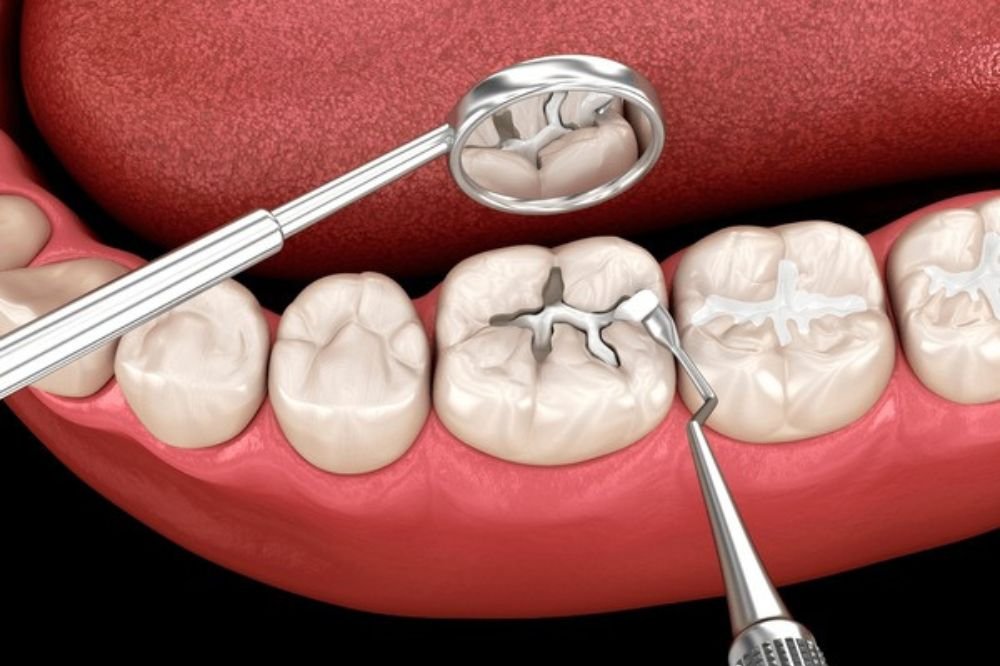
- Fillings for teeth affected by decay
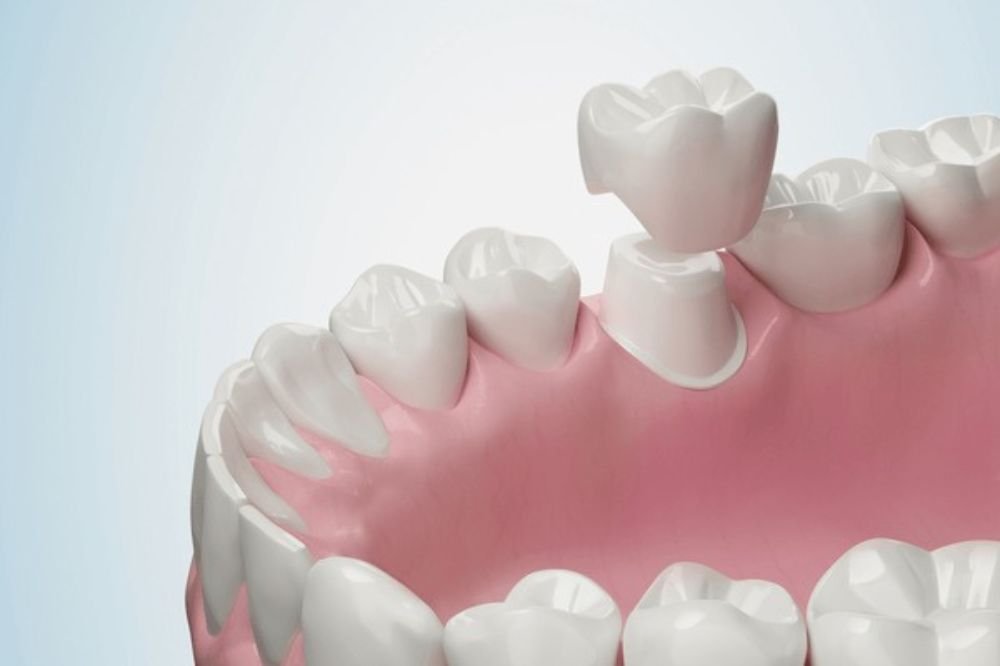
- Crowns for damaged or weakened teeth
- Bridges to replace some missing teeth
- Dental implants for certain missing teeth
- Gum treatment when gum problems are present
- Other restorative treatments when needed
The goal is to address the specific dental concerns rather than use the same treatment for every tooth.
Who May Need Full Mouth Restoration?
Full mouth restorations in Winnipeg may be considered when several teeth have damage or when multiple dental concerns affect daily oral function.
A full-mouth treatment plan may be useful when there is:
- Extensive tooth decay
- Several broken or badly worn teeth
- Multiple missing teeth
- Older dental work that needs replacement
- Problems with chewing
- Dental damage caused by injury
- A combination of tooth and gum concerns
Not everyone with more than one dental problem needs a full mouth restoration. The recommended care depends on the condition of the mouth and the treatments needed.
What Happens During the Planning Process?
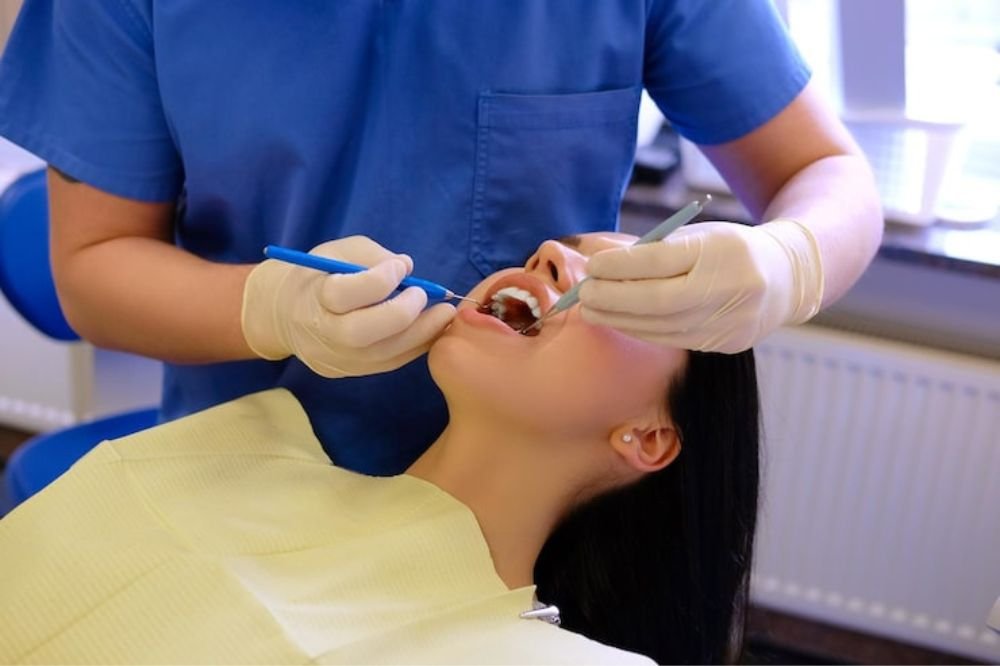
A detailed dental assessment is an important first step. The condition of the teeth and gums is reviewed to understand what needs treatment and which concerns should be addressed first.
The planning process may include:
- Dental examination: Teeth and gums are checked for decay, damage, and other concerns.
- Treatment planning: The required treatments are identified based on the condition of the mouth.
- Treatment order: Some problems may need to be treated before others.
- Follow-up care: Future visits may be planned to check healing and the condition of the restored teeth.
Which Treatments Can Be Part of Full Mouth Care?
The treatments used depend on what is found during the assessment. A damaged tooth may need a filling or crown, while a missing tooth may require a bridge or implant.
Gum care may also be needed when gum disease or other gum problems are present. Treating these concerns can be important before certain restorative treatments are completed.
A dentist in Winnipeg can explain which treatments may be suitable and why they are included in the overall plan.
Can Full Mouth Restoration Improve Daily Function?
Restorative dental care can help address problems that make everyday activities harder. Repairing damaged teeth or replacing missing teeth may help with chewing and speaking.
The effect depends on the treatments needed and the condition of the mouth. A restoration is planned to address specific dental problems rather than provide the same result for every person.
For someone looking for full mouth restorations near you, a complete dental assessment can help identify which areas require treatment and how the different steps may fit together.
How Long Does Full Mouth Restoration Take?
Treatment time can vary widely. A simple plan involving a few restorations may take less time than a plan involving several teeth, gum treatment, or tooth replacement.
The timeline can depend on:
- Number of teeth needing treatment
- Type of restorations required
- Gum health
- Need for healing between treatments
- Whether multiple appointments are needed
A dentist near you can explain the expected treatment stages after examining your mouth.
Take the Next Step Toward Better Oral Health!
Full mouth restoration brings several dental treatments together when multiple concerns need attention. The exact plan depends on the teeth, gums, missing teeth, existing restorations, and overall oral health.
Book an appointment with Garden Oaks Dental Centre to discuss your dental concerns, receive a complete assessment, and learn which restorative treatments may be suitable for your needs.
FAQs
Is full mouth restoration the same as getting dentures?
No. Full mouth restoration is a broad treatment plan that can include different procedures. Dentures are one type of tooth replacement and may or may not be part of a larger restorative plan.
Can full mouth restoration be done in one visit?
Usually, extensive dental care requires more than one appointment. The number of visits depends on the treatments needed, the condition of the mouth, and whether healing time is required.
Does full mouth restoration always involve dental implants?
No. Implants are only one possible treatment for missing teeth. A treatment plan may use fillings, crowns, bridges, or other options depending on the individual dental needs.
Can old dental work be included in the treatment plan?
Yes. Existing fillings, crowns, bridges, or other restorations can be assessed if they are damaged, worn, or no longer suitable. Replacement may be recommended when necessary.