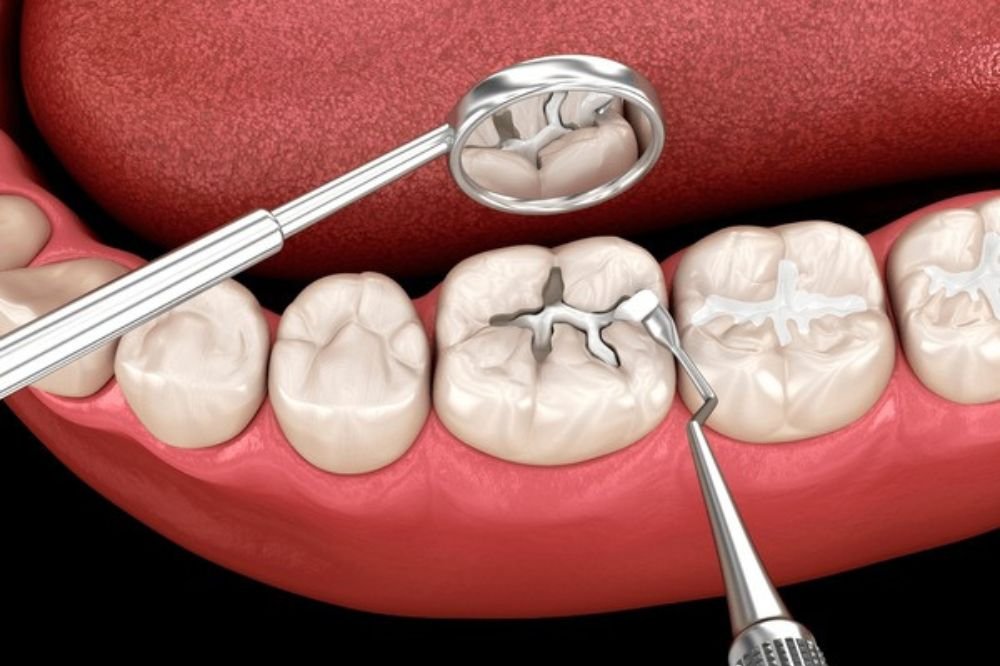
A root canal may be recommended when the soft tissue inside a tooth becomes badly inflamed or infected. Root canal therapy in Winnipeg is designed to remove the affected tissue, clean the inside of the tooth, and seal it to help protect the tooth. The treatment usually involves several clear steps, starting with an examination and ending with a filling or crown to restore the tooth. The exact process can vary depending on the tooth, the level of infection, and the type of restoration needed afterward.
Understanding each stage can make the treatment easier to understand and help set realistic expectations before the appointment.
Why Is a Root Canal Needed?
A root canal is usually needed when the tissue inside a tooth is damaged or infected. This can happen because of:
- Deep tooth decay
- A crack or fracture
- A serious dental injury
- Repeated dental work on the same tooth
- Bacteria reaching the inner part of the tooth
Symptoms can include tooth pain, sensitivity to heat or cold, swelling, or tenderness when biting. However, an infected tooth does not always cause noticeable symptoms.
What Happens Before Root Canal Treatment?
Before treatment begins, the tooth is examined to understand the source of the problem. Dental X-rays may be used to check the roots and surrounding bone.
If you are looking for a dentist near you, this assessment is an important first step. It helps determine whether root canal treatment is appropriate and what type of restoration may be needed afterward.
Root Canal Treatment: Step-by-Step
1. The Tooth Is Numb
A local anaesthetic is used to numb the area around the affected tooth. This helps make the treatment more comfortable during the appointment.
2. The Tooth Is Kept Clean and Dry
The tooth is isolated from saliva during treatment. This helps keep the working area clean while the inside of the tooth is treated.
3. An Opening Is Made
A small opening is created in the tooth to reach the damaged tissue inside. This gives the dentist access to the area that needs treatment.
4. The Damaged Tissue Is Removed
The damaged tissue is gently removed from inside the tooth. The inner area is then thoroughly cleaned to remove debris and lower the amount of bacteria.
5. The Inside of the Tooth Is Filled and Sealed
Once the area has been cleaned and prepared, the space is filled with a suitable material and sealed. This helps prevent bacteria from getting back inside.
6. The Tooth Is Restored
A temporary or permanent filling may be placed depending on the treatment plan. A dental crown may be recommended later, especially when the treated tooth needs additional strength and protection.
How Long Does Root Canal Treatment Take?
The time needed can vary depending on the tooth and the complexity of the treatment. Some root canals can be completed in one appointment, while others may require more than one visit.
Root canal treatment near you may also involve a separate appointment for the final crown or restoration. The number of visits depends on factors such as infection, tooth location, and the extent of the restoration.
What Happens After a Root Canal?
Some tenderness or mild discomfort may occur after treatment, especially when biting on the tooth. This usually improves as the area settles.
After a root canal in Winnipeg, follow the dental care instructions provided and avoid putting unnecessary pressure on the treated tooth until the final restoration is placed, if one is planned.
Contact a dentist in Winnipeg if severe pain, increasing swelling, or other concerning symptoms develop after treatment.
Protect a Tooth With the Right Care!
Root canal treatment removes damaged tissue from inside the tooth, cleans the area, seals it, and restores the tooth so it can continue to function. The exact steps and number of appointments depend on the condition and location of the tooth.
If you are considering root canal treatment near you, an examination can help determine whether this treatment is suitable and what to expect. Schedule an appointment with Garden Oaks Dental Centre to discuss your dental concerns and learn about the next steps to restore and protect the affected tooth.
FAQs
Can a root canal be completed in one visit?
Yes. Some teeth can be treated in a single appointment. However, teeth with more complex problems may require extra visits.
Can a root canal save a badly damaged tooth?
Sometimes. If enough healthy tooth remains and the roots can be treated, a root canal may help keep the natural tooth.
Can I need a root canal without having tooth pain?
Yes. Some tooth infections may cause little or no pain. A dental exam and X-rays can help find problems that you may not notice.
Can a root canal fail after treatment?
A treated tooth can develop problems again in some cases. New decay, a crack, or bacteria entering the tooth can affect the result and may require further dental care.